
Legally Reviewed by Michael Throneberry, Attorney.
People who worked at Navajo Generating Station near Page, Arizona, may have breathed asbestos dust on the job. Coal-fired power plants of that era used asbestos in their boilers, pipes, pumps and valves because it held up to heat. If you or someone in your family worked at the plant and now has mesothelioma or another asbestos-related disease, you may still be able to file a claim, even though the plant has closed.
Asbestos diseases often show up 20 to 50 years after the exposure that caused them, according to the Agency for Toxic Substances and Disease Registry. That means a diagnosis today can trace back to work done at the plant in the 1970s and 1980s.
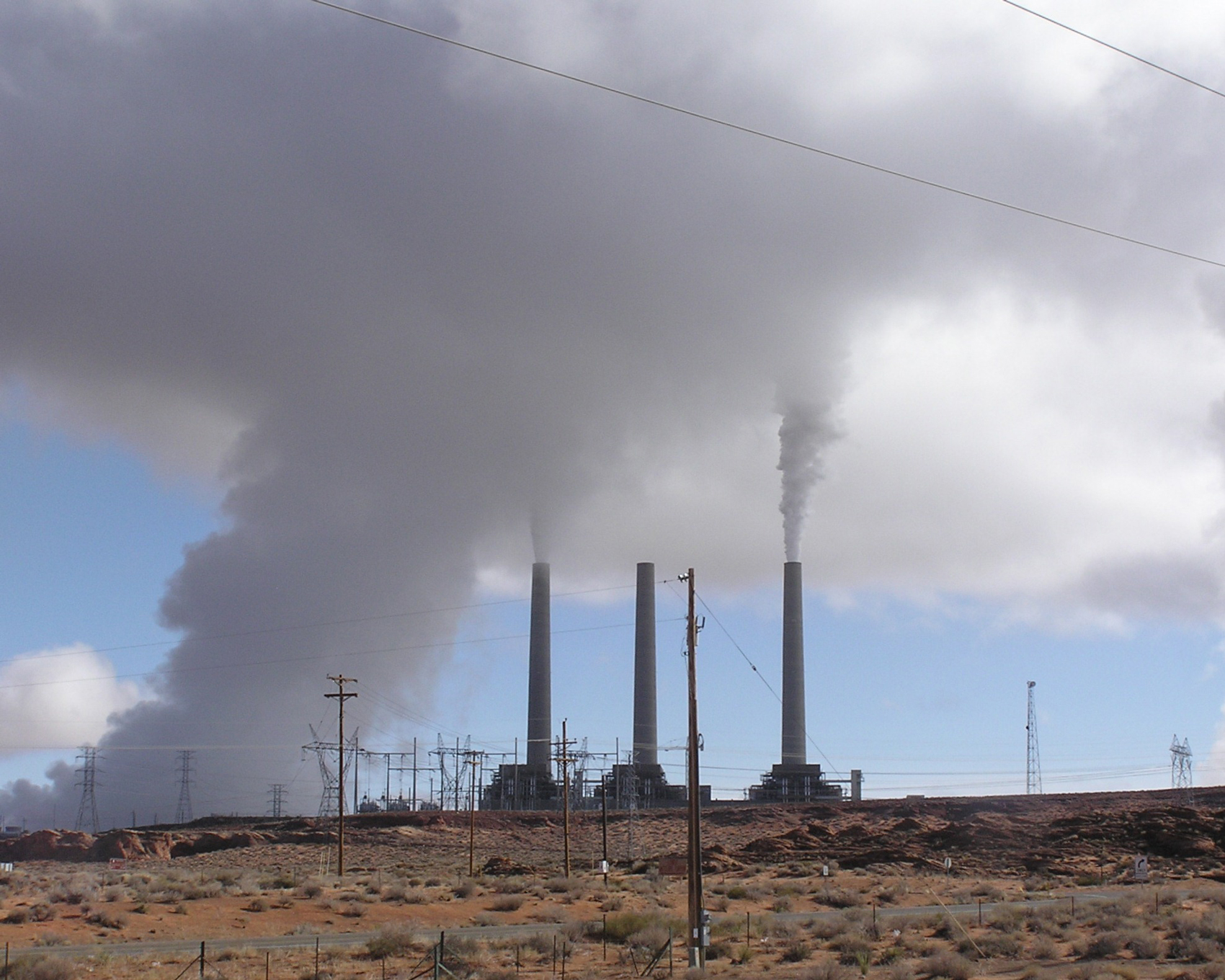
What Was Navajo Generating Station?
Navajo Generating Station was a coal-fired power plant on the Navajo Nation in northern Coconino County, near Page. According to the Bureau of Reclamation, it had three generating units of 750 megawatts each, for 2,250 megawatts in total. The Salt River Project operated the plant. Other owners included Arizona Public Service, Tucson Electric Power, NV Energy and the federal government, whose share powered the pumps of the Central Arizona Project.
The plant’s lease with the Navajo Nation was signed in 1971. Unit 3 shut down on September 19, 2019, and Units 1 and 2 shut down on November 18, 2019, as recorded in the Federal Register. Unit 2 was the last to go offline, just after noon that day.
Where Was Asbestos Used in a Coal-Fired Power Plant?
A coal plant turns water into high-pressure steam, and steam spins the turbines that make electricity. Almost every part of that system runs hot. For decades, asbestos was the standard material for keeping that heat in and keeping joints sealed.
At Navajo Generating Station, the three main boilers, one for each unit, were built by Combustion Engineering between 1972 and 1974. Two auxiliary boilers were built by Riley Stoker in 1973, and the steam turbines were made by General Electric.
In coal-fired plants of this era, asbestos was commonly found in:
- Boilers: insulation, refractory and access door seals on the main and auxiliary boilers.
- Steam turbines: insulation blankets and gaskets.
- Pipes: insulation on steam and hot water lines, and the cement used to finish it.
- Pumps and valves: gaskets between flanges and packing around valve stems and pump shafts.
- Support equipment: gaskets on steam traps, strainers, condensers, deaerators, fans, soot blowers, ash handling systems and precipitator doors.
- Cooling towers: cement-board panels and louvers in some designs.
- Fireproofing: spray-on coatings on steel.
Asbestos is most dangerous when it’s disturbed. Cutting a gasket, scraping an old one off a flange, pulling packing out of a valve, or tearing off pipe insulation all send fibers into the air. Our guide to the anatomy of a power plant asbestos case walks through each of these systems in more detail.
Which Jobs Faced the Most Exposure?
The workers who handled these materials directly carried the highest risk. That includes boilermakers, pipefitters, insulators, millwrights and maintenance mechanics. Electricians, laborers and contractor crews worked right beside them.
Operators faced exposure too. An operator might open and close valves, walk the units, and guide other trades through the plant. Many never touched insulation themselves. But they stood nearby while others cut gaskets, repacked valves and stripped insulation, and they breathed the same air. This is called bystander exposure, and it can support a claim just as hands-on work can.
The heaviest exposure came during outages, when a unit was shut down for scheduled overhaul. During an overhaul, many trades open up boilers, pumps, valves and turbines at once, often in tight spaces. Power plants schedule these outages regularly, so a worker could go through dozens of them over a career.
At Navajo Generating Station, a major overhaul was a large job. Over the plant’s 45 years, thousands of permanent and temporary workers helped maintain it. Crews cut and rewelded steam piping, stripped insulation to reach the welds, and changed out pumps and valves, scraping old gaskets off the flanges before new ones went in. Other crews often tore out insulation and swept it up close by.
What Do Asbestos Trust Records Say About This Plant?
Many companies that made asbestos products went bankrupt and set up trusts to pay people who got sick. Each trust keeps a list of worksites where it accepts that its products were used.
At least two asbestos trusts list Navajo Generating Station as an approved exposure site: the Combustion Engineering trust and the Owens Corning/Fibreboard trust. An approved site can make a trust claim easier to prove. You still need a diagnosis and evidence that you worked at the plant during the years the trust covers.
How a Power Plant Asbestos Case Is Built
Every case is different, but most power plant cases follow the same basic steps:
- Work history. We map out the years you worked at the plant, your jobs, and the outages you worked.
- Proof of presence. Records, coworkers and Social Security earnings statements help show when and where you worked.
- Equipment and product identification. We match the equipment you worked on or around to the companies that made it and the asbestos products used with it.
- Claims. Depending on the facts, that can mean trust claims, a lawsuit, or both, filed at the same time.
- Deadlines. Arizona sets firm filing deadlines. Our mesothelioma statute of limitations page explains how they work.
You can read more about power plant worker asbestos exposure and asbestos trust funds.
Common Questions About Navajo Generating Station Asbestos Claims
I never handled asbestos myself. Can I still have a claim?
Yes, you may. Many power plant workers were exposed as bystanders. Operators, electricians and laborers often worked beside trades who cut gaskets, repacked valves and removed insulation. Breathing that dust over years of normal work and outages can cause mesothelioma. Bystander exposure is a recognized basis for asbestos claims and trust claims.
The plant closed in 2019. Is it too late to file?
No, the plant closing does not end your right to file. Filing deadlines usually start from the date of diagnosis, not from when the plant shut down. Because these deadlines are strict, talk with a lawyer soon after a diagnosis to find out exactly how long you have.
Can family members of plant workers file a claim?
Sometimes, yes. Workers could carry asbestos dust home on their clothes, hair and boots. A spouse who washed those clothes, or a child who greeted a parent after a shift, may have breathed the fibers. This is called secondhand or take-home exposure, and it can support a claim.
Do I need my old work records to file?
Records help, but you don’t need to have them before you call. Coworker statements, union records and Social Security earnings statements can all show when you worked at the plant. A lawyer can help you gather this proof as part of building the case.
Talk With a Lawyer About Your Navajo Generating Station Claim
If you or a loved one worked at Navajo Generating Station and has been diagnosed with mesothelioma, we can review your work history for free. We handle these cases on contingency, so you pay no attorney fees unless we recover money for you. Learn more about our Arizona mesothelioma lawyers or contact us for a free case review.