

Free Consultation | Call 24/7

Mesothelioma Legal Blog

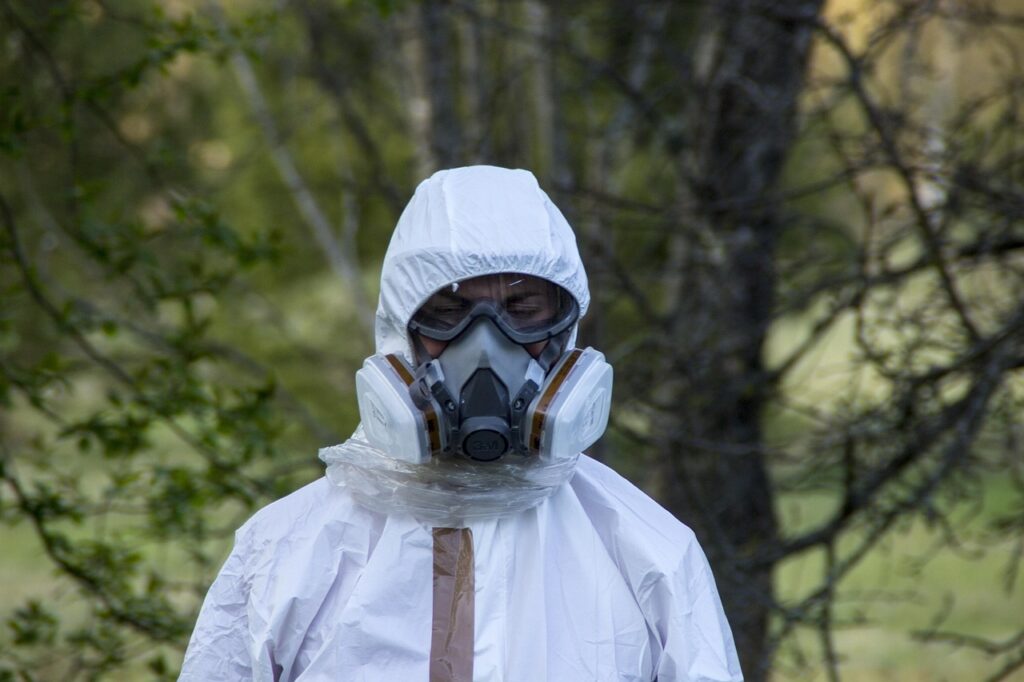
Last year was a particularly destructive hurricane season. Hurricanes Irma, Harvey, Jose and Maria spread destruction through the Gulf Coast and the Caribbean. The process of recovering from the damage is ongoing, and probably will be for a long time. Cleanup workers have already started clearing damaged structures and rebuilding entire neighborhoods. Cleanup personnel face unique hazards when it comes to working with the damage from hurricanes. One of the biggest risks is exposure to asbestos.
Mesothelioma, just like other forms of cancer, is not contagious. Touching, sharing meals, or even breathing the same air cannot spread mesothelioma. Generally, cancer cells from a cancer patient cannot live in the body of a healthy person because the immune system usually destroys foreign cells, including cancer cells from a cancer patient. How Does a Person Get Mesothelioma? Asbestos exposure is still the only known cause of mesothelioma. According to the American Cancer Society, about eight out of 10 people with mesothelioma have been exposed to asbestos.
The events of September 11, 2001 shook our country to its very core and tested the resiliency of the nation as a whole. In addition to the 3,000 lives lost in the terrorist attacks which downed airplanes in Pennsylvania, Washington, D.C., and New York, many more passed away from the clean-up effort in downtown Manhattan because they were exposed to toxic particles in the debris. What many people do not realize is that the World Trade Centers were built with 20 stories of asbestos which spread through the air as the Twin Towers came crashing down.
After numerous legal objections and obstruction by defense attorneys, an asbestos cancer victim’s trial against a talc-based product manufacturer appears poised to finally see a courtroom to determine what, if any, damages the plaintiff should receive as compensation for the defendant’s negligence. The high-profile case claims Johnson & Johnson’s Cashmere Bouquet talcum powder caused the plaintiff’s mesothelioma cancer because the product contained asbestos, a flaky white mineral once widely used in many industrial applications.
Mesothelioma is a rare type of cancer that begins in the lining of the chest, lungs, or abdominal cavities. According to the American Cancer Society, the leading cause of mesothelioma is asbestos exposure. Asbestos is a highly toxic and naturally occurring mineral that was widely used in construction and other industries until the late 1990s. After a mesothelioma diagnosis, an individual may feel devastated and overwhelmed. Usually, after a mesothelioma diagnosis, people do not know what to do.
Pharmaceutical and cosmetics giant Johnson & Johnson reportedly settled a talcum powder cancer lawsuit for the first time ever in early January. That case involved a New York woman who claimed her rare form of cancer was caused by exposure to asbestos in Johnson & Johnson products like Baby Powder and Shower to Shower. The $1.5 million settlement is the first of its kind for Johnson & Johnson, which as of yet vigorously defended several other similar claims against it.
Share Blogs

Contact Us

Get the Help You Deserve

To schedule your initial consultation, please fill out the form or call 888.506.1131

  • Free Consultation
  • Will Travel to You
  • No Fees Unless You Win

"*" indicates required fields

Full Name*
MM slash DD slash YYYY
*Please do not include any confidential or sensitive information in this form. This form sends information by non-encrypted e-mail which is not secure.

Submitting this form does not create an attorney-client relationship.

Contact Us

Get the Help You Deserve

To schedule your initial consultation, please fill out the form or call 888.506.1131

  • Free Consultation
  • Will Travel to You
  • No Fees Unless You Win

"*" indicates required fields

Full Name*
MM slash DD slash YYYY
*Please do not include any confidential or sensitive information in this form. This form sends information by non-encrypted e-mail which is not secure.

Submitting this form does not create an attorney-client relationship.

Free Consultation | Call 24/7