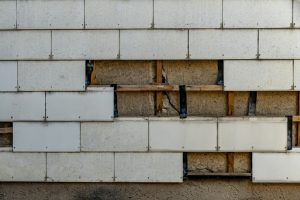
For decades, builders covered homes and other buildings with siding made of cement and asbestos. It was durable and could remain on a property long after installation. Older siding does not automatically mean people are being exposed. The risk begins when the material is damaged or disturbed, and asbestos fibers drift into the air. Serious illnesses, such as asbestosis and mesothelioma, have been tied to breathing in those fibers. Our asbestos products page lists other materials that have been known to contain asbestos.
At Throneberry Law Group, we take the time to listen to each client, learn about their circumstances, and help them explore the options available to them. Attorney Michael Throneberry has handled asbestos cases for about two decades, and he prepares clients for their depositions himself rather than handing that work off.
What Is Asbestos-Containing Siding?
This type of siding consists of exterior shingles or panels made from cement blended with asbestos. The mineral fibers added strength and helped the material withstand heat and weather. Siding came in different sizes and finishes, including products designed to resemble wood.
Some older homes still have asbestos cement siding, which may be hidden beneath newer cladding and only discovered during exterior renovations.
How to Identify Asbestos Siding
There is no dependable visual test. Asbestos siding can resemble products without asbestos, and a building’s age or appearance cannot confirm its contents. Product labels and renovation records may offer clues, but testing is needed for confirmation. Even experienced contractors should not rely on a quick visual inspection to rule asbestos out.
The EPA advises professional sampling when suspicious material is damaged or planned work could disturb it. A trained and accredited asbestos professional should collect the sample for laboratory analysis. Do not break off a piece or scrape the surface yourself. Read the EPA’s home renovation guidance.
When Can Asbestos Siding Release Fibers?
Old asbestos siding does not necessarily need to be removed just because it is still on a building. The concern is what happens when someone works on it. For example, drilling holes to attach an outdoor fixture, cutting panels to fit around a window, or breaking old shingles during renovation can release fibers into the air.
If you believe your siding contains asbestos, leave it alone until someone qualified can inspect it. Don’t try repairing or removing it yourself, even if only a small section appears damaged. The EPA advises homeowners to leave materials in good condition undisturbed and seek professional help when repairs or removal are necessary. The agency’s guidance on protecting your family from asbestos exposure explains these precautions.
Which Workers May Have Encountered Asbestos Siding?
People who installed, repaired, or removed asbestos-containing siding may have encountered fibers at work. Cutting panels, drilling holes for fasteners, breaking shingles, or pulling off old materials could release dust. Other trades working nearby may also have been exposed.
Workers whose jobs may have exposed them to asbestos include:
- Siding installers: They fitted cement shingles or panels during exterior construction.
- Roofers: Some handled asbestos-containing shingles and other exterior products.
- Remodelers: They replaced cladding or worked around existing siding.
- Demolition crews: They removed exterior materials during building demolition or major renovation.
These jobs form part of the wider history of asbestos exposure in construction trades.
However, actual exposure depends on the materials and tasks involved, not just a person’s job title.
What Legal Options May Be Available After Exposure?
A person diagnosed with mesothelioma or another asbestos-related disease may have grounds to explore a legal claim. Relevant facts in these cases include the products used, companies involved, work locations, and exposure dates. Employment records, invoices, photographs, coworker accounts, and medical information, where available, may help establish an exposure history.
Identifying the manufacturer can be an important part of investigating past asbestos exposure. For example, our page on CertainTeed Corporation covers its history of making asbestos-containing building materials. You can also read about Johns-Manville and its history of manufacturing asbestos-containing products. Whether either company is relevant to your circumstances depends on the products involved and the available exposure evidence. An attorney can help review those details and explain any legal options and filing deadlines that may apply.
Nationwide Asbestos Lawyers at Throneberry Law Group
After an asbestos-related diagnosis, details about past construction or renovation work may be worth investigating. Throneberry Law Group can review available information, look into potential exposure sources, and explain whether a claim may be an option. We work with clients across the country and can assist Spanish-speaking individuals and families, too.
You do not need to have every product name or employment record before asking questions. To have our team review your circumstances, share the details through our contact form.